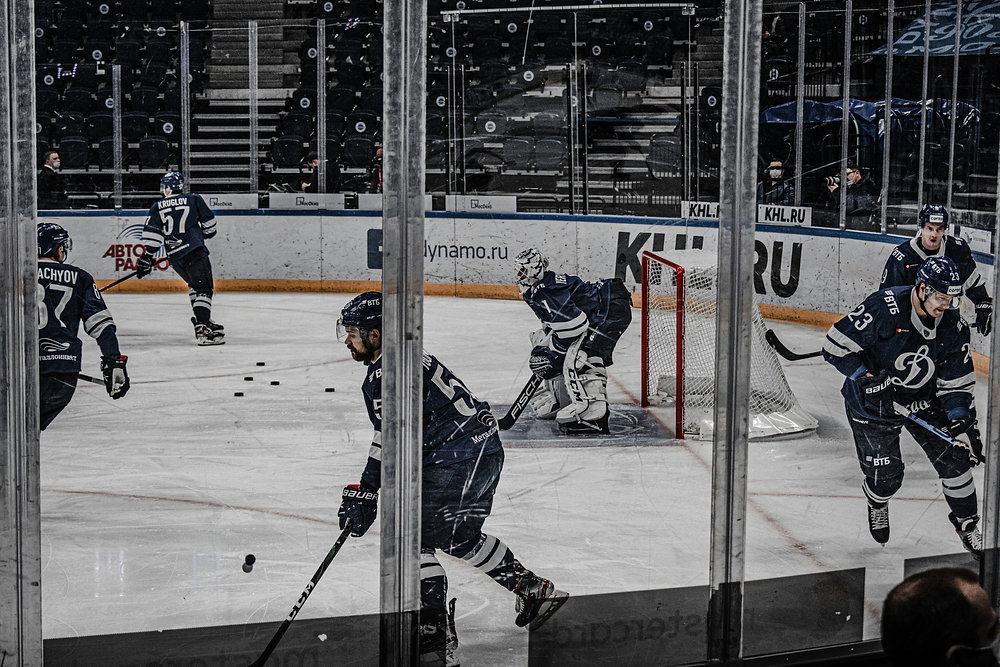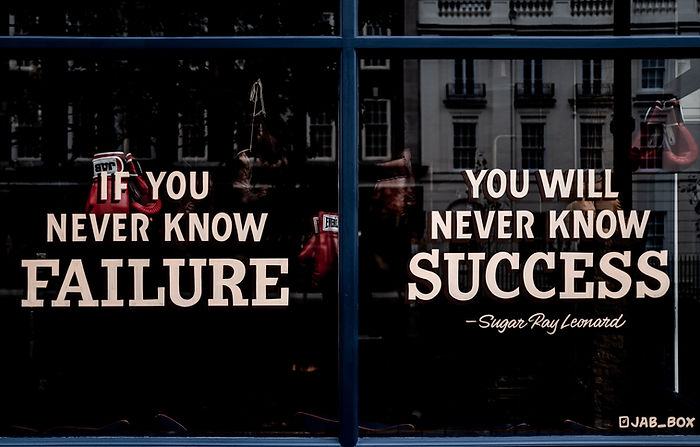

You've put in the reps. You've outworked your competition. So why does it feel like something is still holding you back? The answer might not be in your body — it's in your mind.
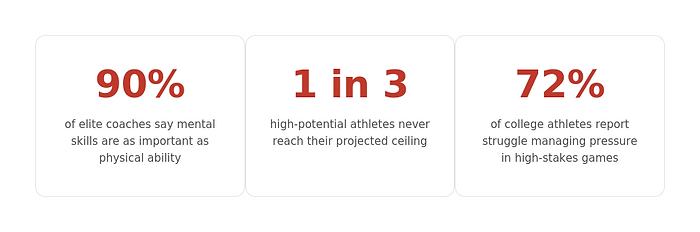
Every year, thousands of athletes with elite physical tools never make the jump they're capable of. They train harder than anyone in the gym, post the numbers scouts are looking for, and yet — when the stage gets bigger, something shifts. The game slows down for everyone else, and somehow speeds up for them.
This is what's known as the mental performance gap. And it's the single most underaddressed reason talented athletes stall out before reaching their potential.
Talent Gets You Noticed. Mental Skills Get You There.
Think about the athletes you've watched blow past every expectation. They aren't always the most physically gifted. But they share something that can't be measured in a combine or on a stopwatch: the ability to perform when it matters most, recover from setbacks faster than everyone else, and maintain belief in themselves when the moment demands it.
That's not luck. That's a trained mental skillset.
Conversely, think about the athletes who had every physical gift in the world — and never quite put it together. Often, the culprit isn't a lack of effort. It's the absence of mental foundations: the ability to manage pressure, focus under distraction, bounce back from failure, and sustain confidence when performance dips.
What the Mental Performance Gap Actually Looks Like
The mental performance gap isn't dramatic. It doesn't announce itself. It shows up in subtle, consistent patterns that compound over time.
WITHOUT MENTAL SKILLS
- Plays tight in big moments
- One bad rep derails the whole game
- Confidence tied to recent performance
- Avoids high-pressure situations
- Paralyzed by fear of failure
- Inconsistent at the next level
WITH MENTAL SKILLS
- Rises when stakes are highest
- Resets quickly after mistakes
- Confidence built on identity, not results
- Seeks high-pressure opportunities
- Uses failure as information
- Performs consistently up every level
Why Physical Training Alone Falls Short
Here's what nobody tells you: the higher the level, the more equal the physical talent becomes. By the time you reach the collegiate or professional ranks, everyone around you has elite athleticism, elite mechanics, elite strength and conditioning. The physical gap that used to separate you from your competition? It narrows — fast.
What doesn't narrow on its own is the mental gap. Without intentional training, the pressure of a bigger stage, a more critical audience, and higher personal stakes actively works against you. What worked mentally at the youth or high school level often breaks down when the environment intensifies.
The athletes who thrive at every level aren't just physically prepared. They've done the mental work to match their physical tools.
The Good News: Mental Skills Are Trainable
This is the part most athletes don't realize: mental performance isn't a personality trait. You're not born with it or without it. Focus, confidence, composure under pressure, emotional regulation after setbacks — these are skills. They can be identified, trained, and strengthened just like your vertical or your split time.
The athletes who understand this earliest gain an edge that compounds over every season. They're not just building a body. They're building a performer.
So the question isn't whether you have the talent to get to the next level. The question is whether you're training the part of yourself that will actually take you there.
Ready to Train the Mental Side of Your Game?
Taylored Foundations is a mental skills program built for athletes who are serious about closing the performance gap. Join the Taylored Mindset newsletter for early access, exclusive insights, and behind-the-scenes looks at what's coming.